Catching Dragonflies
There was one season I always waited for as a child. Not a holiday, not a festival.
·5 min read
Field Notes
Guides to foraging in Bali, plant identification, traditional uses, and recipes using wild ingredients from the jungle.
More Notes
There was one season I always waited for as a child. Not a holiday, not a festival.
Water, for the Balinese, is never just water. It is life. It is purification. It is balance.
When I finished junior high school, I was faced with a reality I wasn't ready for — I couldn't continue my education.
My mother is a simple woman — so pure and full of love. One thing I always noticed she truly loved was money.
Last week I came to the beach and saw something that made me stop and sit with my thoughts for a long time.
Nyepi - also known as the Day of Silence - is the Saka New Year celebration that Balinese Hindus observe every year.
Fear of death — that is what I fear, and perhaps many people feel the same way. The fear of losing family and the people we love most is also something I am still learning to carry.
I spent much of my childhood with my father in the rice fields. And of all those memories, one moment still lives in me with extraordinary clarity — the day we harvested long beans together.
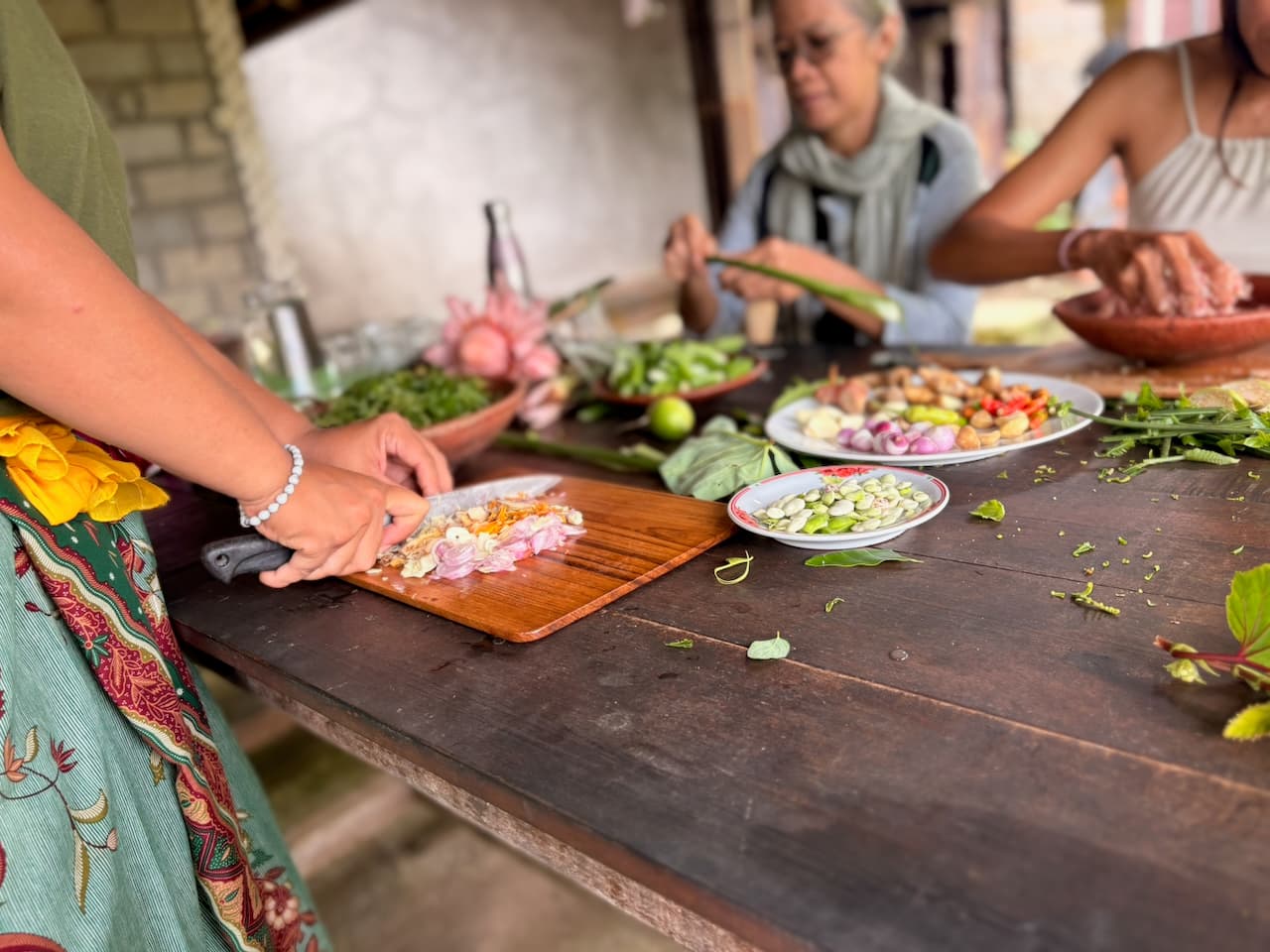
There was a time when the loudest sound in the afternoon was the laughter of children.
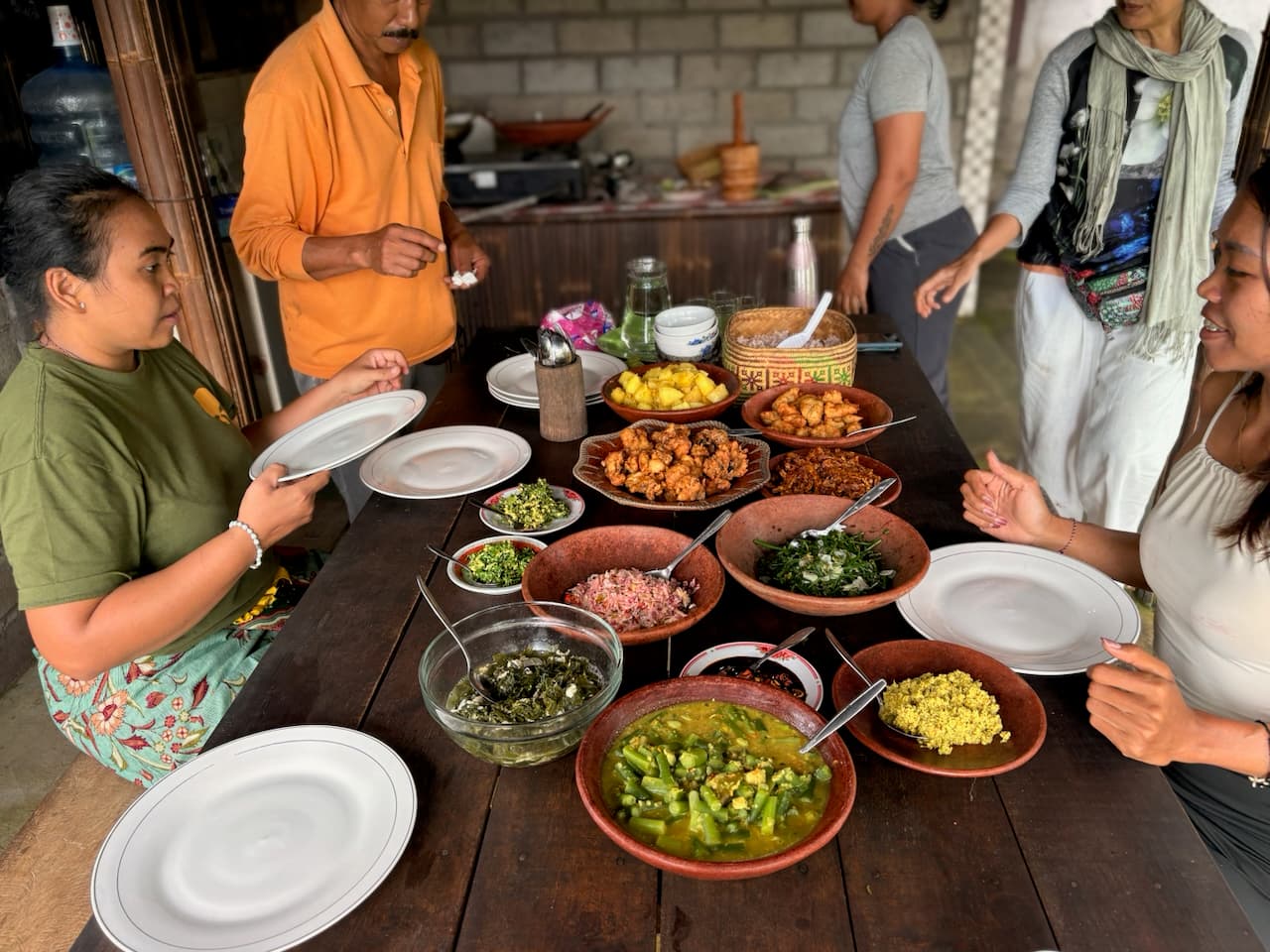
One day a guest asked me with genuine curiosity — "why do you continue traditions that cost so much money?
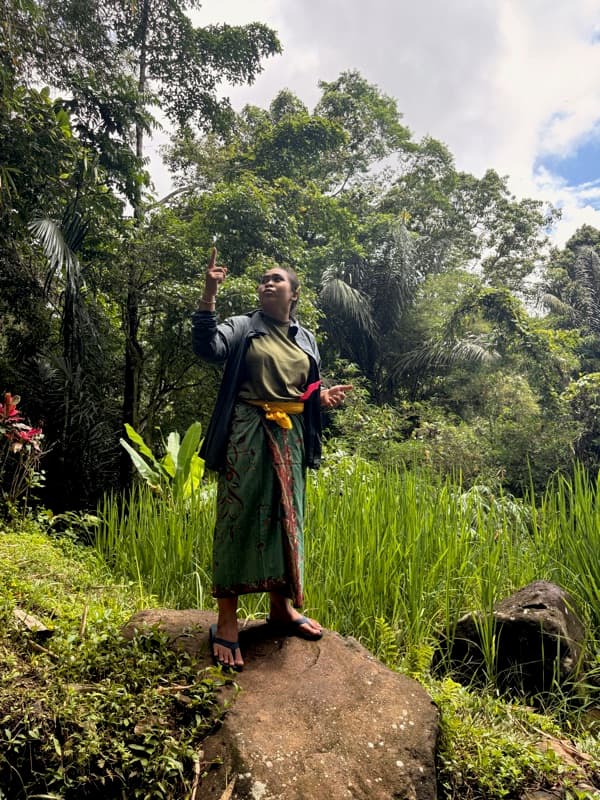
Ubud is often where the question starts.
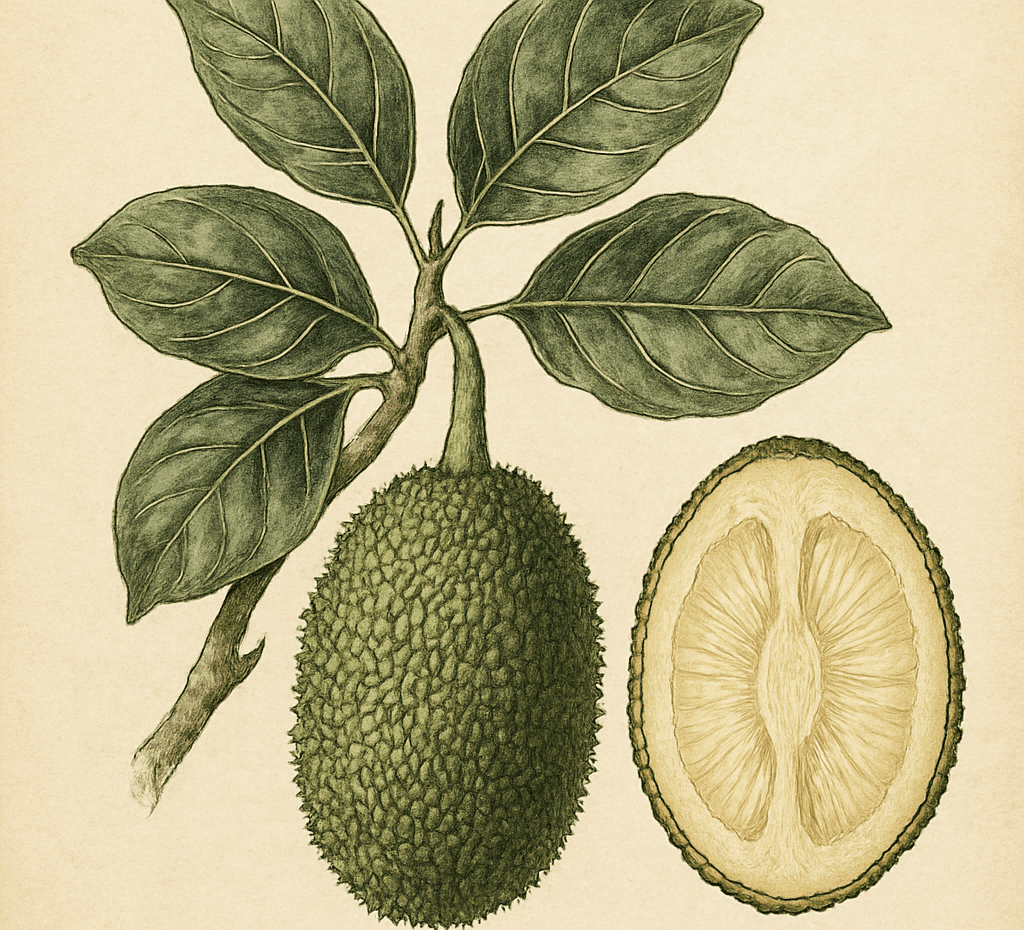
Nangka muda in Bali: a source-backed guide to young jackfruit, Artocarpus heterophyllus, vegetable use, latex, cooking, and safety.
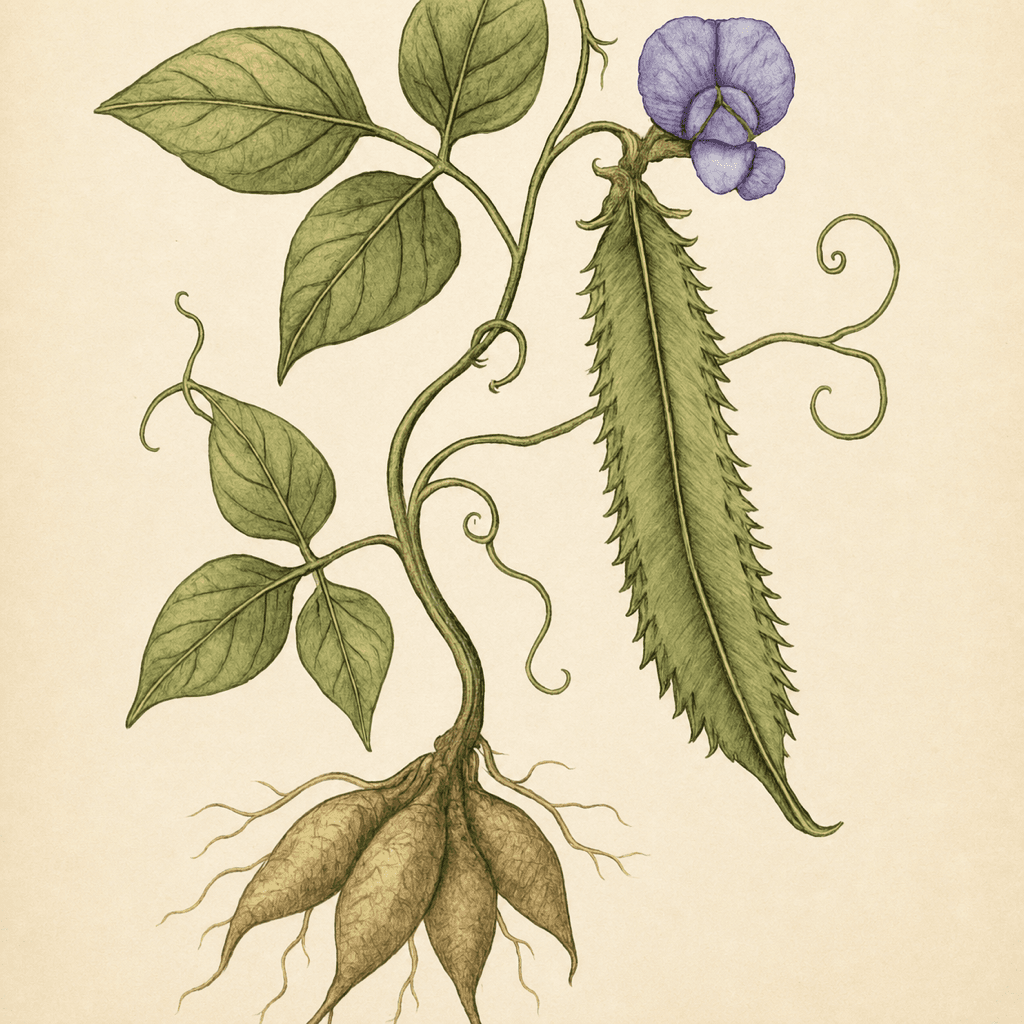
Kecipir in Bali: a source-backed guide to winged bean, Psophocarpus tetragonolobus, edible pods, local preparation, and safety.
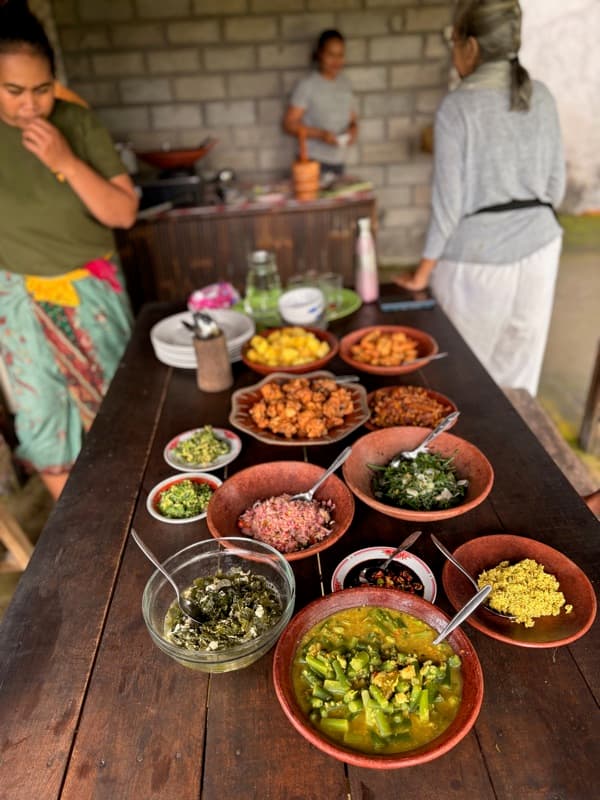
A step-by-step look at the private Forage Bali experience, from arrival and plant walk to cooking and shared lunch.
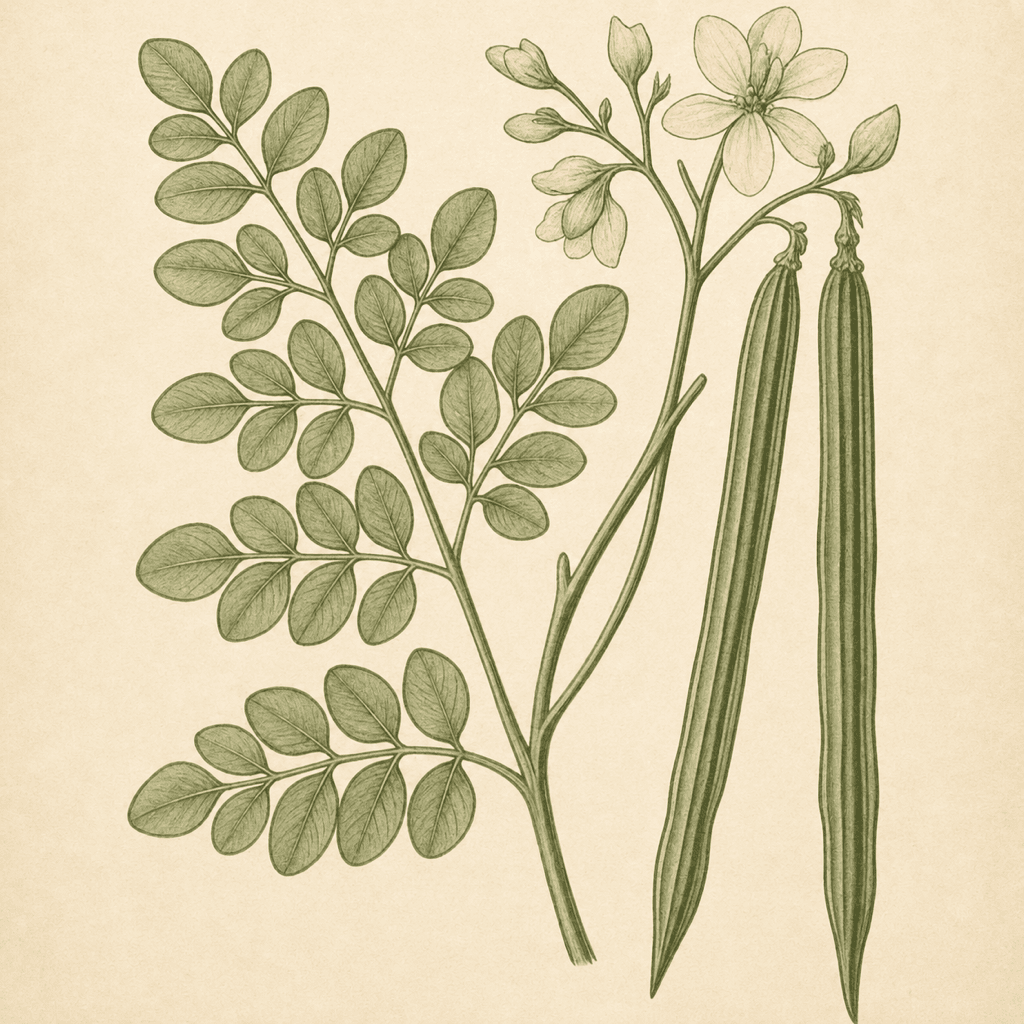
A source-backed guide to eight Bali edible plants, including kelor, paku, rebung, talas, kecombrang, kunyit, kecipir, and nangka muda.
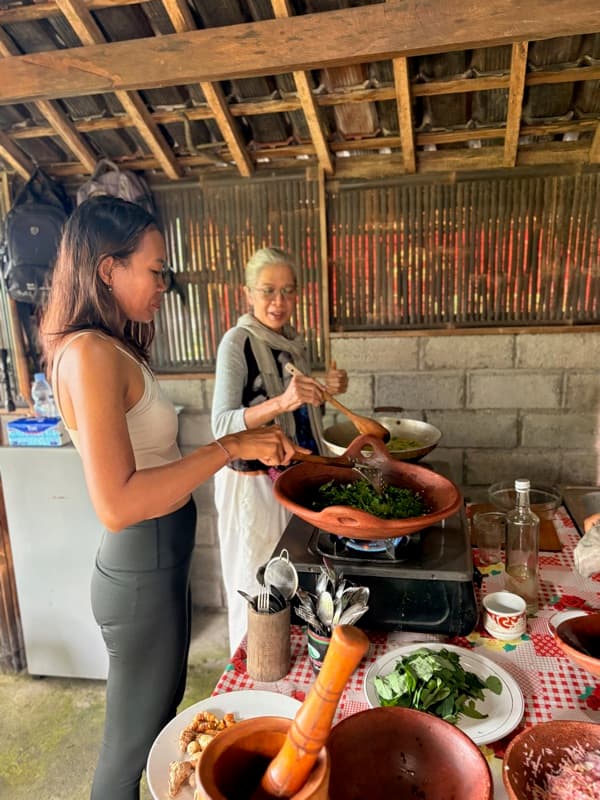
For travelers looking for a deeper Bali day, here are meaningful nature, food, and culture experiences near Ubud.
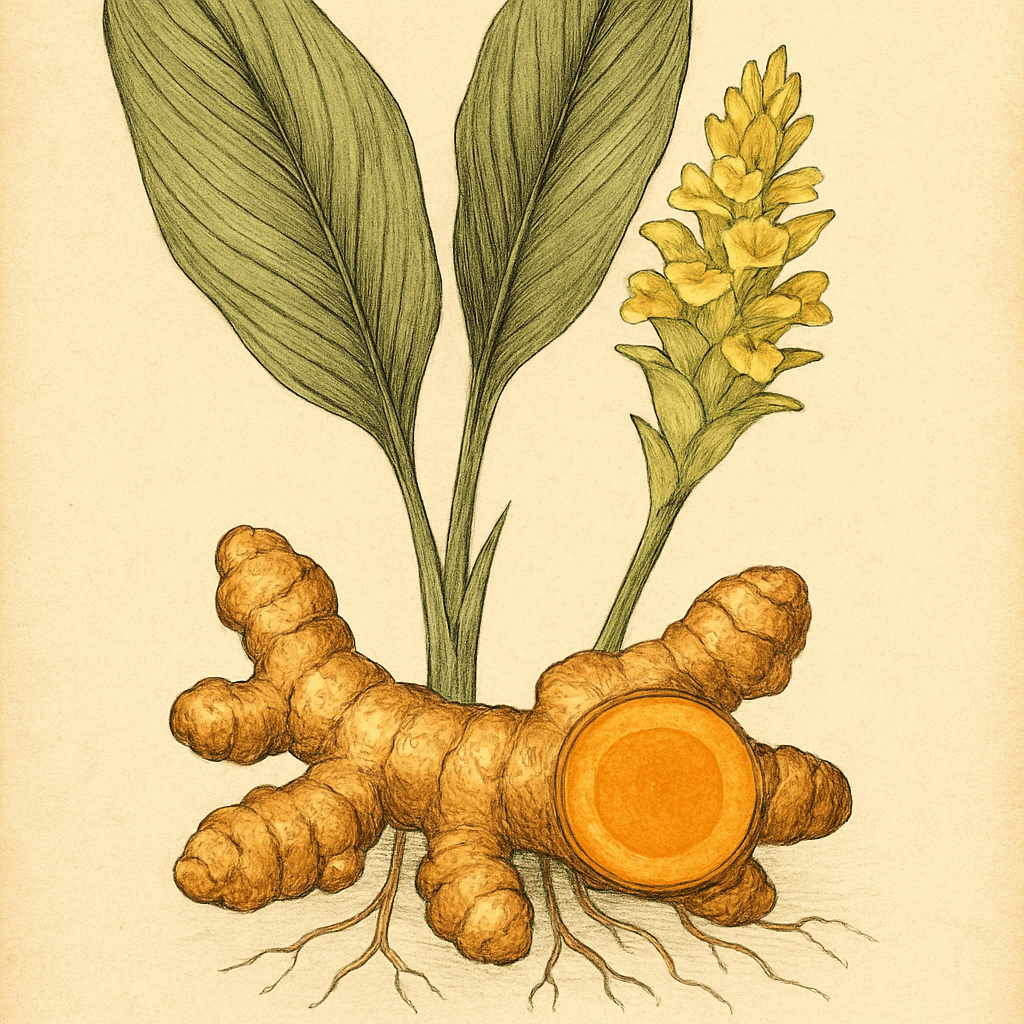
Kunyit in Bali: a source-backed guide to turmeric, Curcuma longa, edible rhizomes, Balinese spice pastes, and safe plant identification.
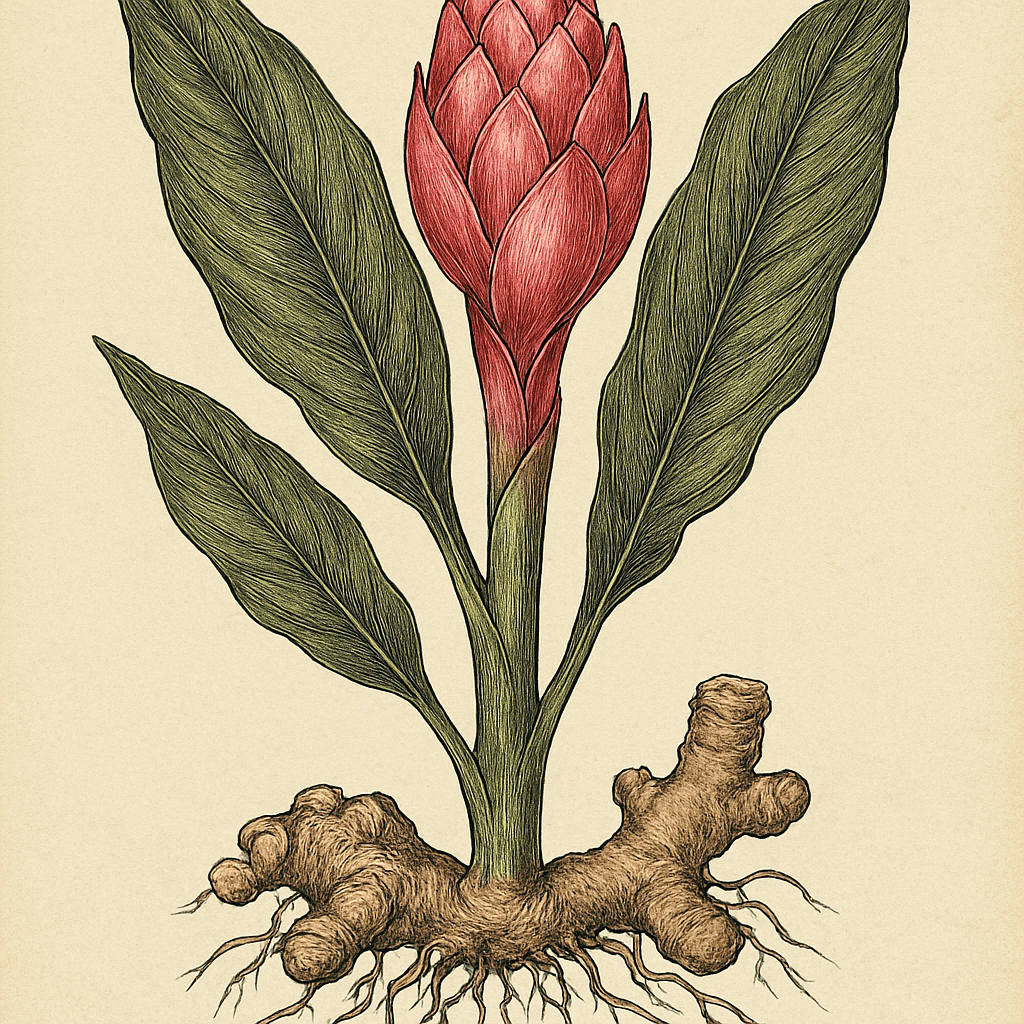
Kecombrang in Bali: a source-backed guide to torch ginger, Etlingera elatior, kecicang flowers, bongkot stems, and food forest cooking.
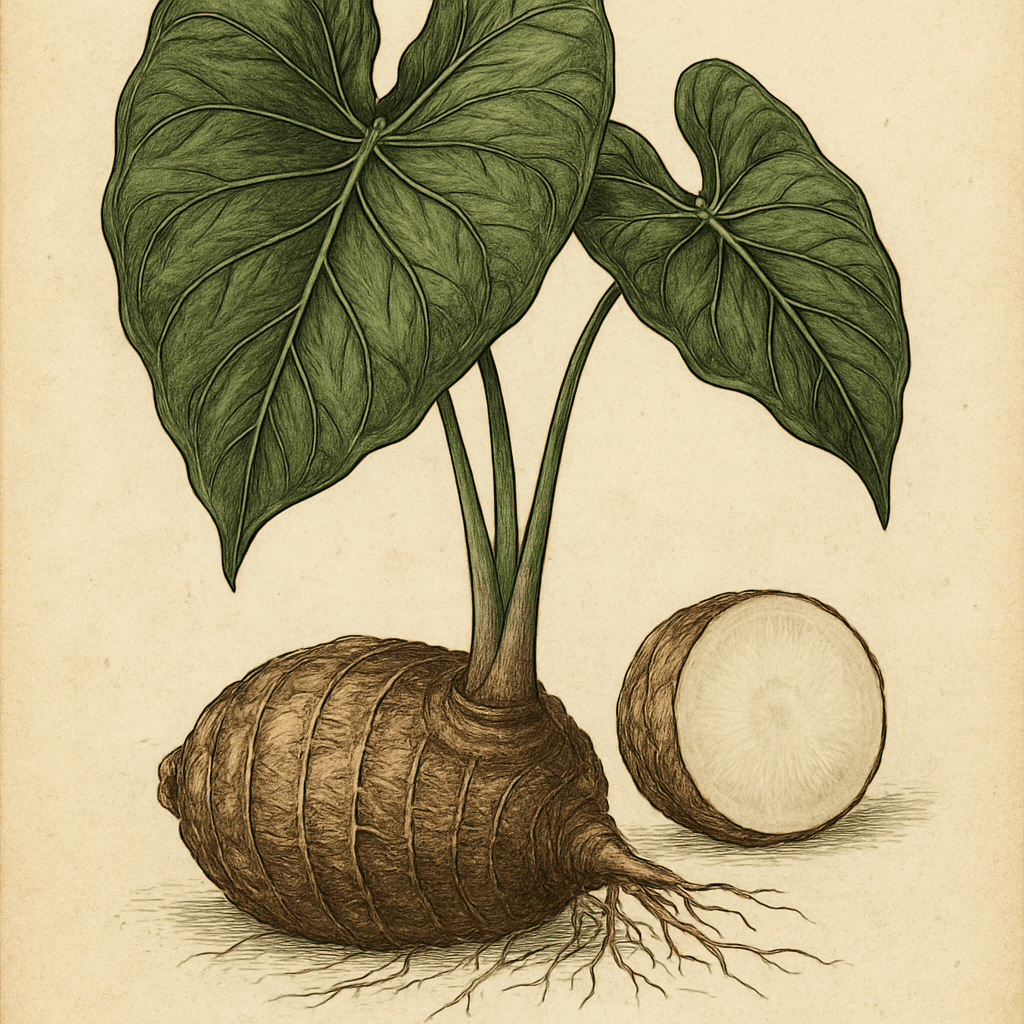
Talas in Bali: a source-backed guide to taro, Colocasia esculenta, edible corms, oxalate irritation, cooking, and safe identification.
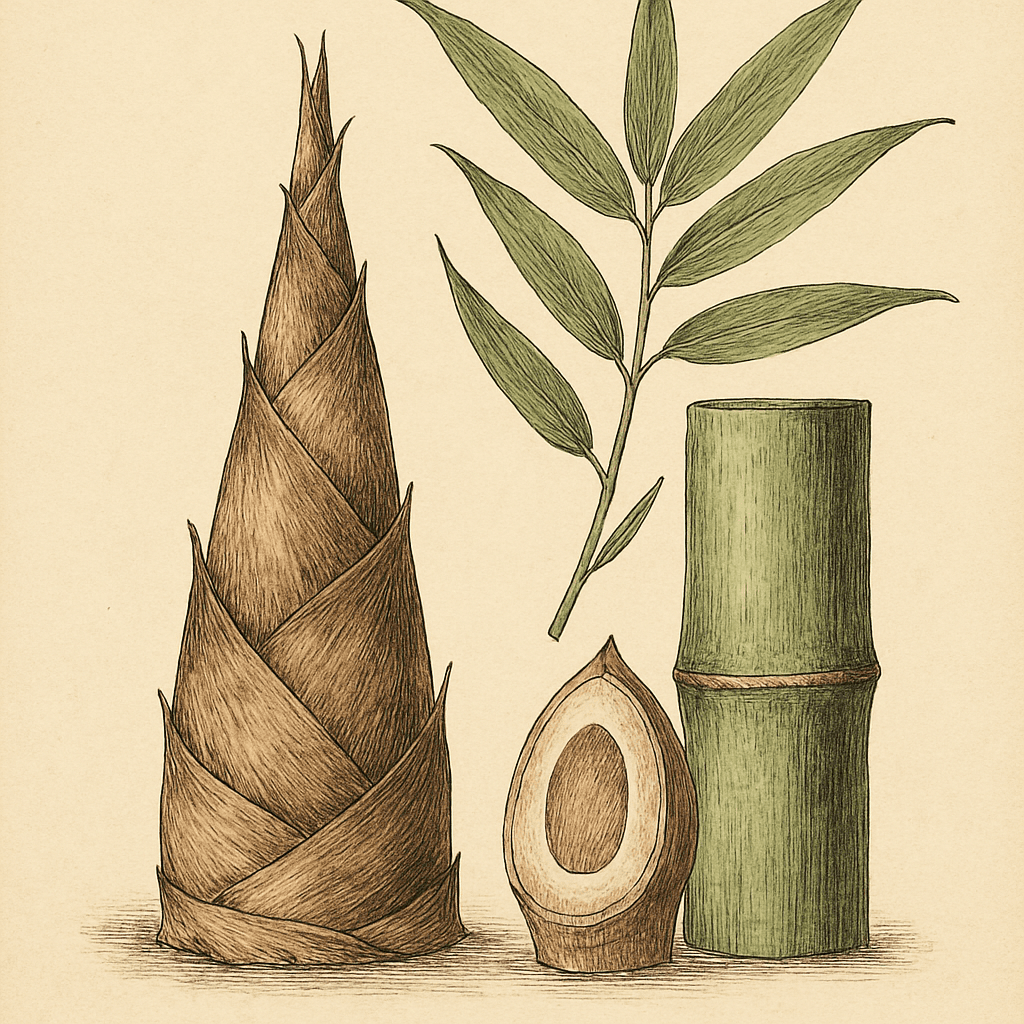
Rebung in Bali: a source-backed guide to bamboo shoots, edible species ranges, cyanogenic compounds, boiling, and guided preparation.
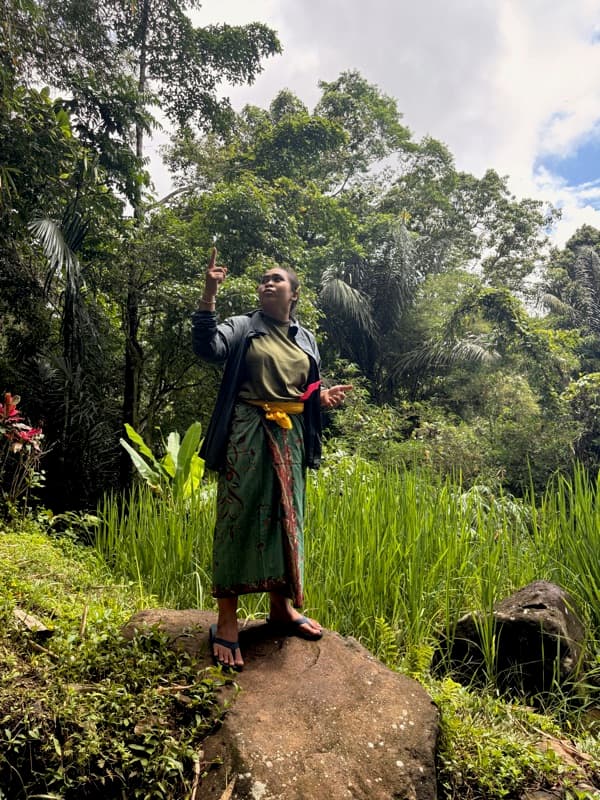
A practical guide to Forage Bali's private food forest day: who it is for, what happens, where it takes place, and how to plan one.

Paku and pakis in Bali: a careful guide to edible fern shoots, Diplazium esculentum as a reference species, cooking, and safety.
Kelor in Bali: a source-backed guide to moringa leaves, Moringa oleifera, food forest cooking, and safe guided harvesting.
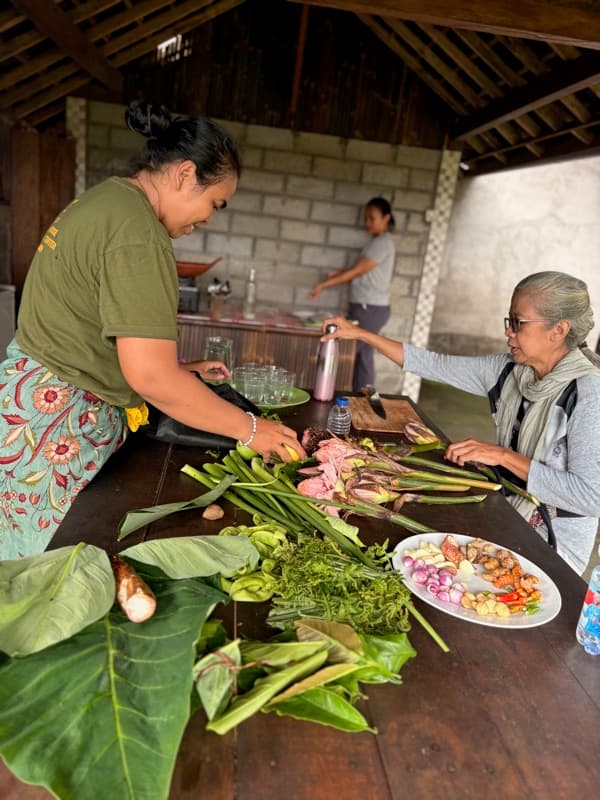
A short introduction to the edible leaves, flowers, shoots, rhizomes, corms, herbs, and seasonal ingredients in Balinese food forest cooking.
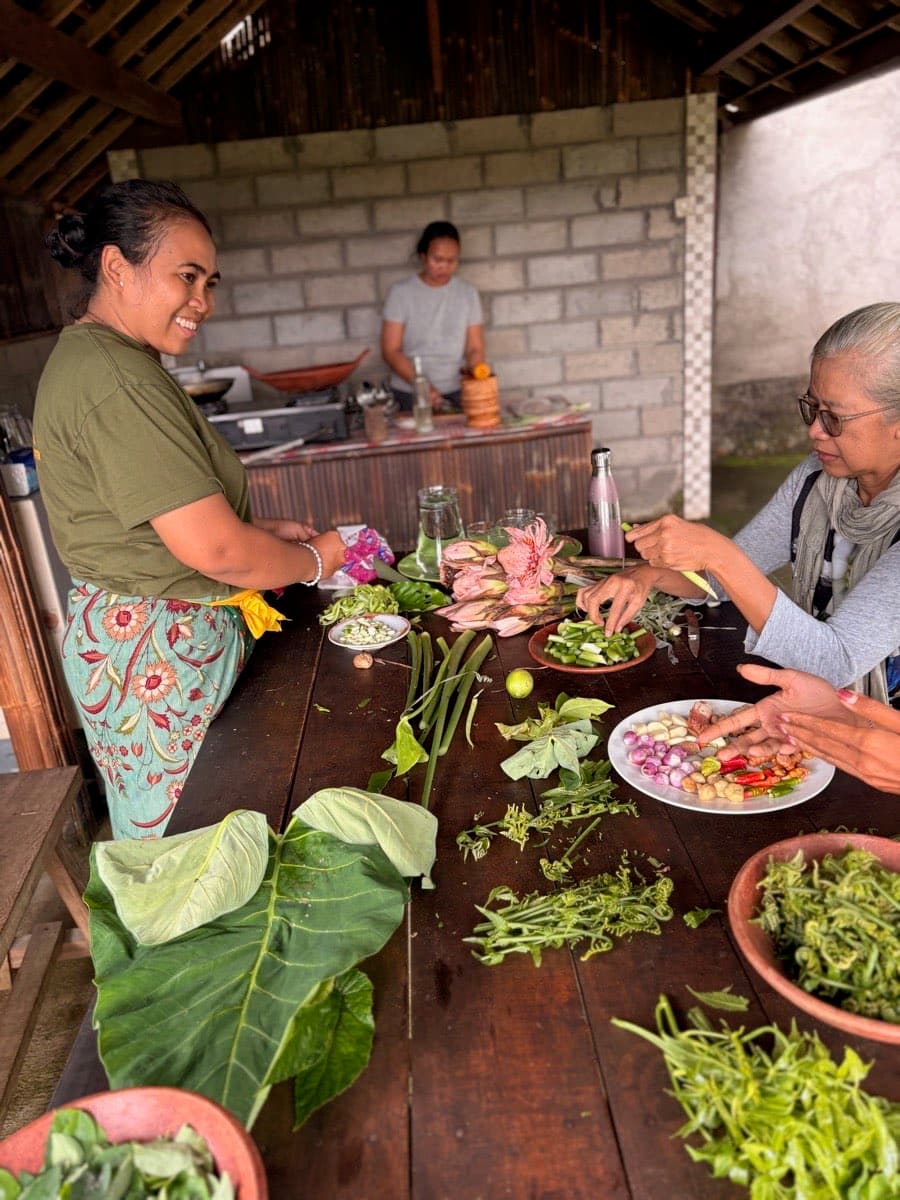
Retreat groups need more than another excursion. A food forest day gives guests a shared, grounded experience with land, cooking, and local knowledge.
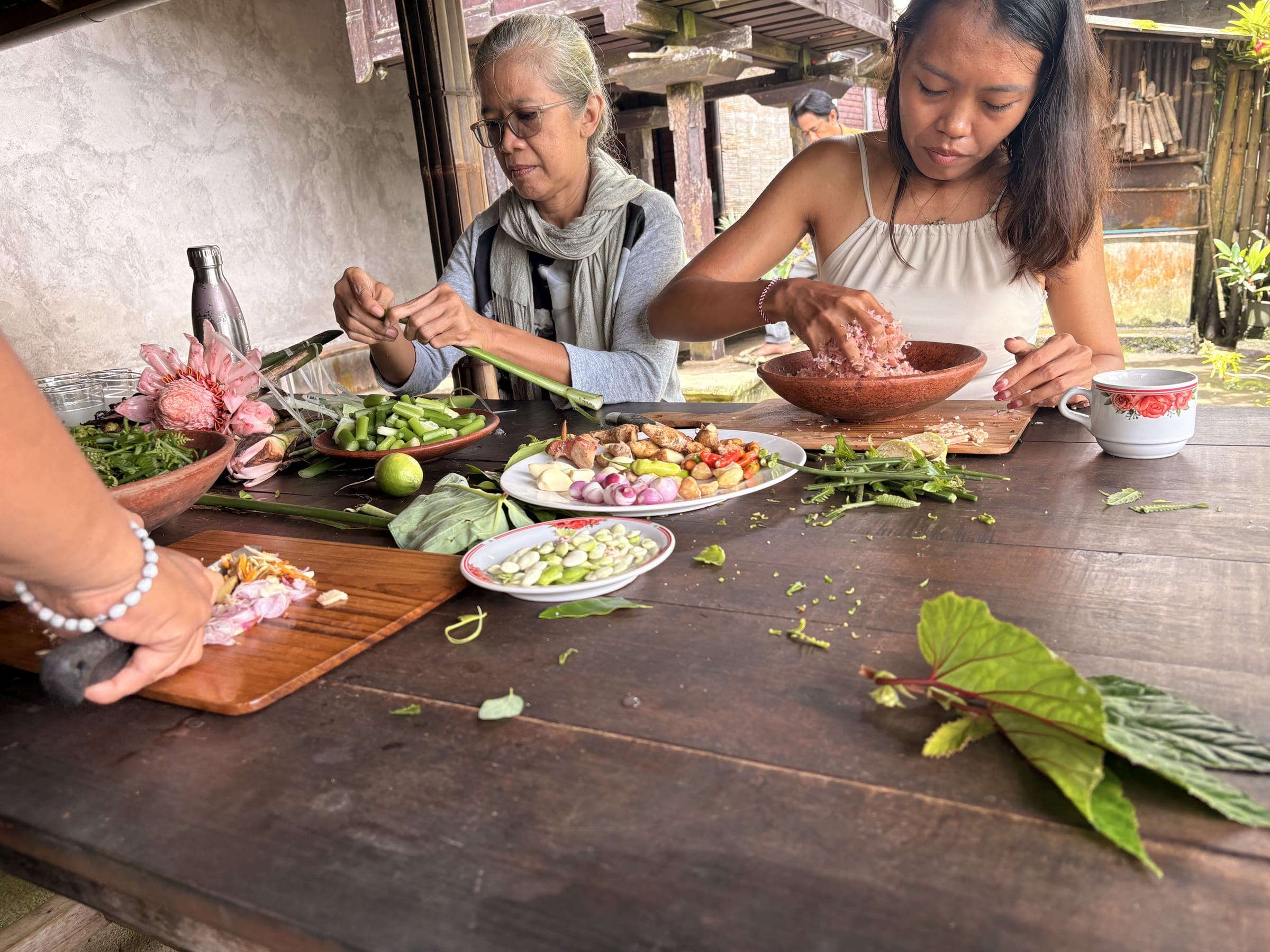
Hi, I'm Ayu (Yuka), a simple farmer's daughter who grew up in a small village called Sidemen. A village surrounded by beautiful hills and rice fields - I spent almost all of my childhood out in those fields.
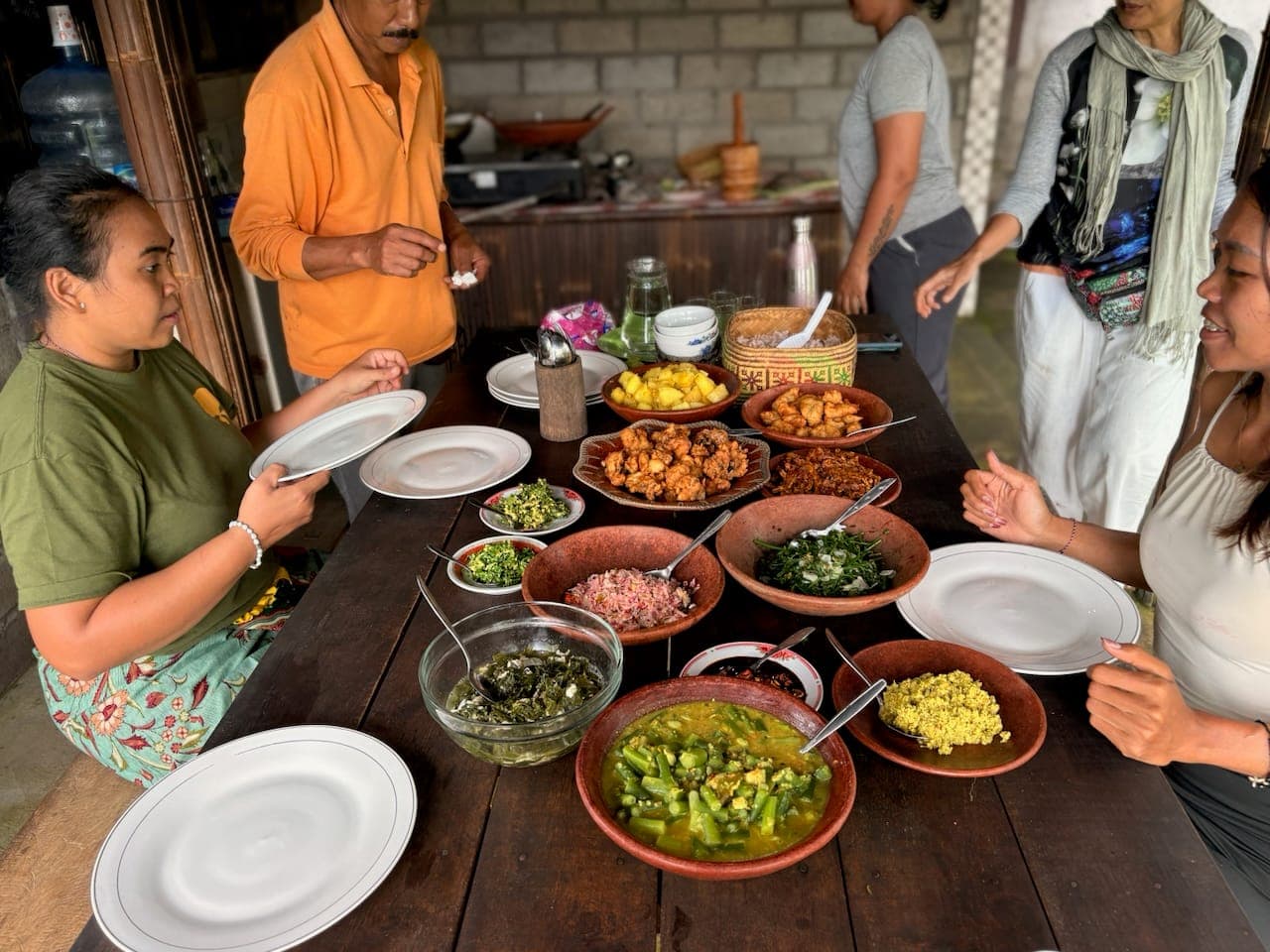
The mornings of my childhood were simple — far from luxury. But that simplicity is what I miss the most, and it is something I still return to every time I visit my parents in Sidemen.
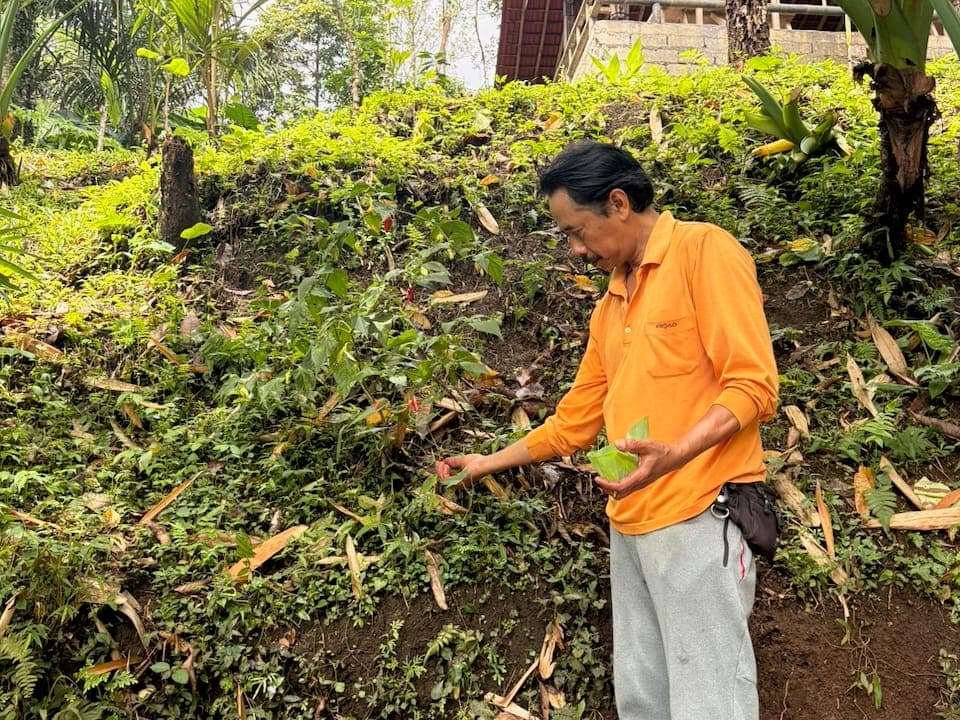
There's something remarkable about rice in Bali. Every stalk that grows here isn't seen simply as a commodity or just food.
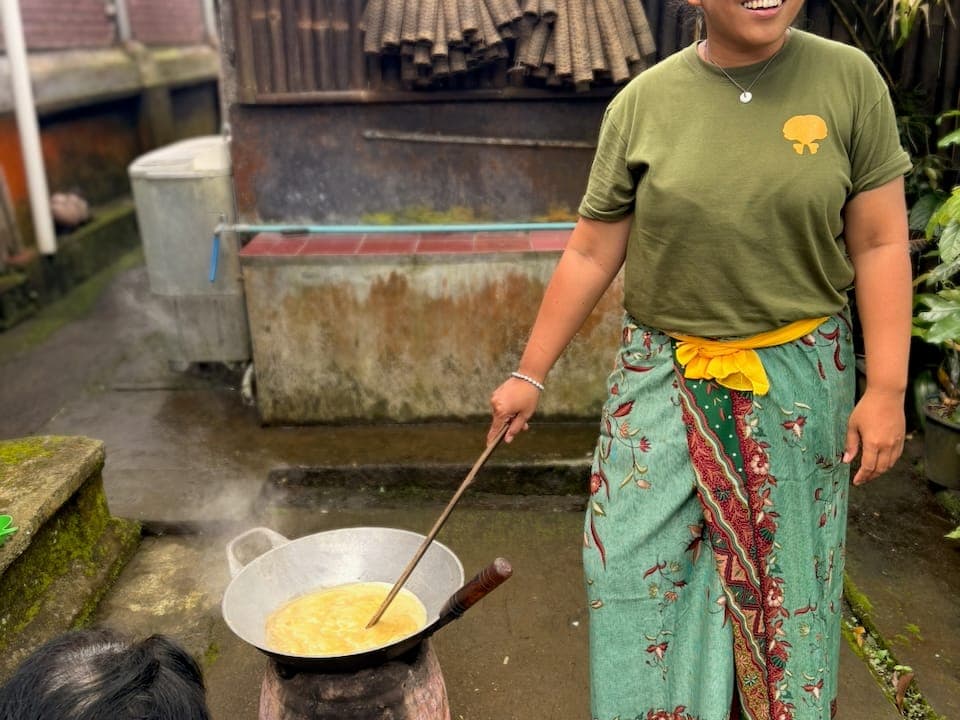
Today I want to tell you how incredible my father is - a farmer and a true Tarzan.
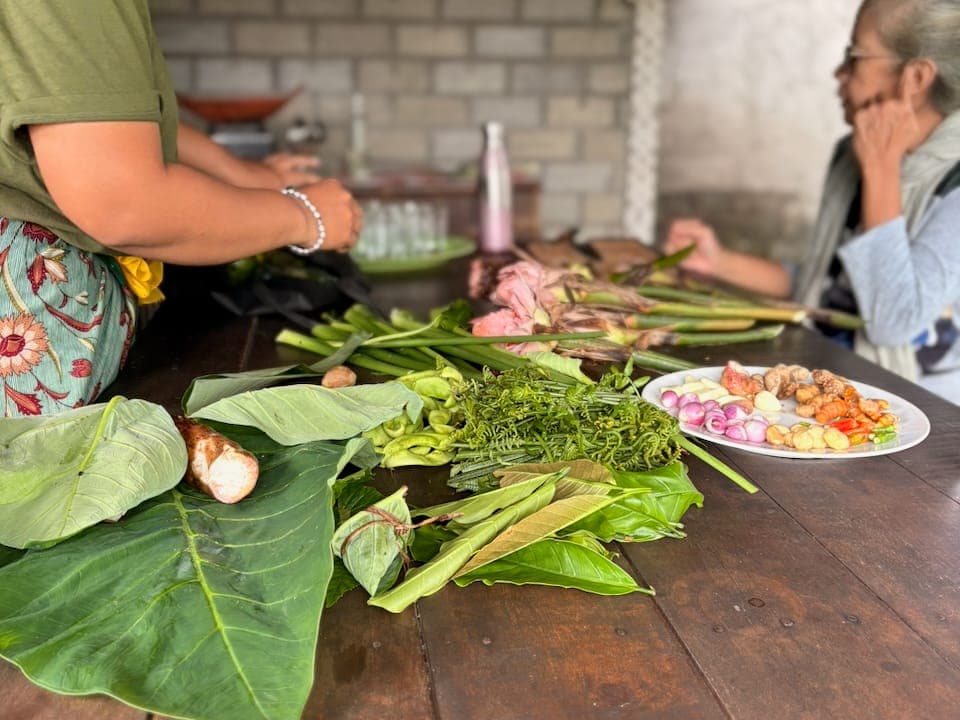
"From Struggle to Strength"
This memory stays with me clearly. During rice season, especially when the rice starts to bear fruit, I would begin to worry - because my job was coming.
In Bali, the planting season begins with a process called matekap or mlasah - loosening and leveling the earth. It happens in stages: NAMPADIN (clearing the weeds), NGELAMPIT (plowing, turning the soil), MLASAH (leveling the ground).
You'll find them everywhere in Bali. At the beautiful temples, outside people's homes, at the foot of statues, wrapped around the great trees, tucked into every corner of the island.